
Contents
My Story
What Menopause Did
Why No Hormone Therapy
The Scalp Connection
Dormant Follicles
How Peptides Work
Science vs Gimmicks
What Worked for Me
Recovery Timeline
You're Not Broken
1. My Story: When Menopause Took Me by Surprise

This was the moment I knew it wasn't just in my head, literally. I could no longer ignore the thinning. It was visible, undeniable, and honestly, devastating.
I'm Lisa Monroe. I'm 52, a yoga teacher and mom of two grown daughters. For most of my life, I never thought much about my hair, it just did what it did. But something changed in my early 50s. The hair around my temples thinned, and my part grew wider. My ponytail got sadder. And so did I.
I tried to chalk it up to aging, stress, or maybe just bad luck. I bought expensive shampoos, subscribed to supplement bundles, and even tried "scalp detoxes." None of it helped. I still felt like I was watching a part of me disappear.
2. What Menopause Did to My Hair
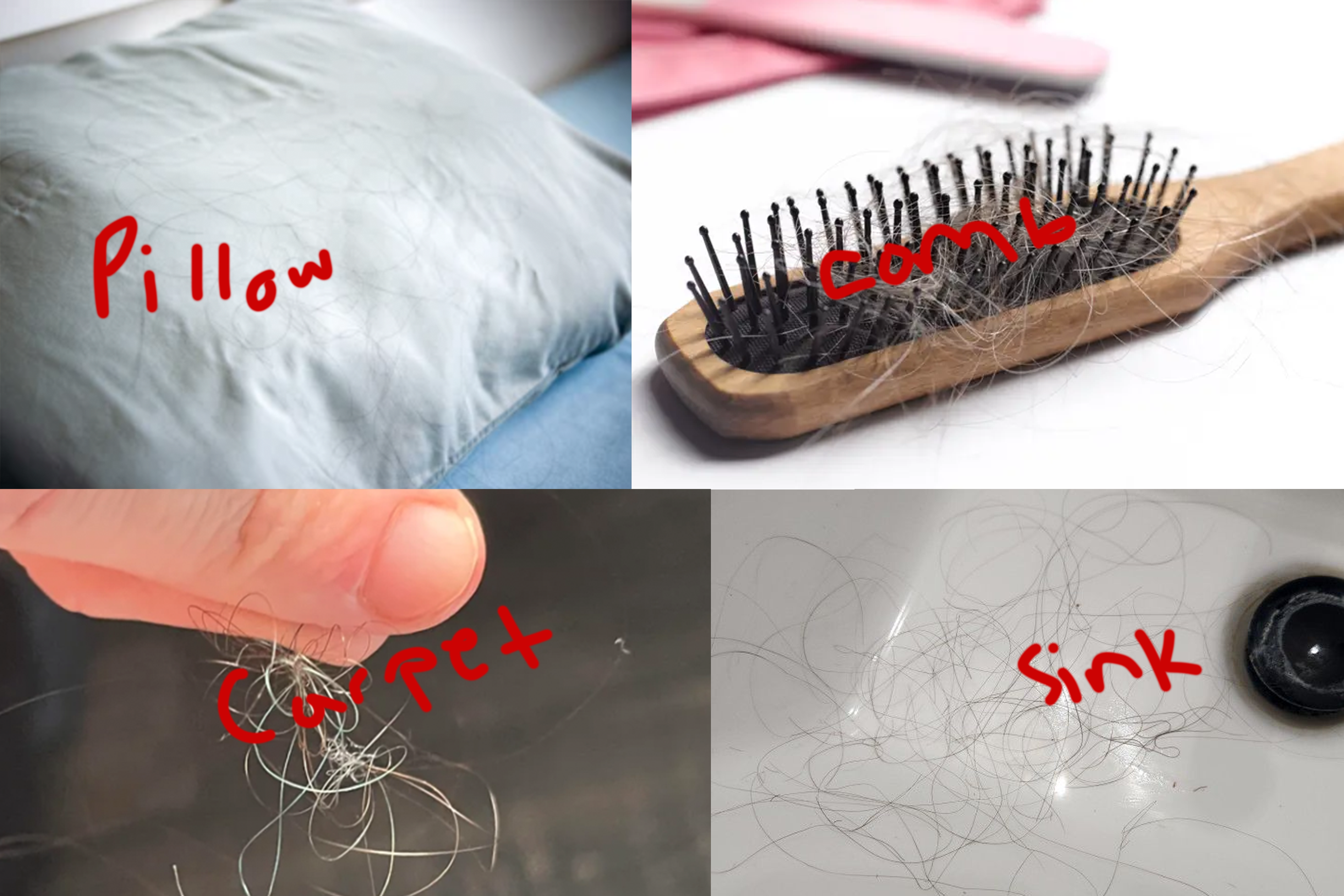
I was finding hair everywhere - in the shower, on the couch, in the car, in my sink. My comb would be full of it. Was extremely frustrating, embarrassing, and disheartening.
What no one tells you is just how deeply menopause can affect your hair.
- Estrogen DropsYour hair's growth phase shortens, and more follicles shift into the resting (or shedding) phase.
- Hormone ImbalanceTestosterone becomes more dominant, triggering sensitivity to DHT (dihydrotestosterone).
- Follicle ChangesYour follicles shrink, and your strands become thinner, weaker, and fewer.
For me, it wasn't just about losing volume, it was about losing a part of my identity. Every time I ran my hands through my hair or caught a glimpse in the mirror, I felt more disconnected from myself.
While inflammation plays a role for many women (especially those dealing with autoimmune symptoms or stress), the root for me was clearly hormonal. But I didn't want to go down the HRT route just to save my hair.
3. Why I Said No to Hormone Therapy
I considered hormone therapy. I even went to a specialist. But the risks just didn't sit right with me.
What I Rejected
- Hormone replacement therapy
- Potential side effects
- Gambling with my well-being
- Manipulating my body's natural processes
What I Wanted
- Natural, body-aligned approach
- No hormonal manipulation
- Safe, gentle solution
- Something that actually works
I was looking for a solution that aligned with my body, not one that manipulated it.
Here's a list of potential side effects I compiled while doing my research. I know only a percentage of people will deal with these symptoms, but I am trying to eliminate exposure to drugs and medications if I can.
Serious Risks
- Blood clots
- Stroke
- Breast cancer
- Heart disease
- Endometrial cancer
- Gallbladder disease
Common Side Effects
- Breast tenderness
- Mood changes
- Bloating
- Headaches
- Nausea
- Spotting/bleeding
4. Your Scalp During Menopause: Where the Damage Really Happens
Menopause doesn’t just affect your cycle. It impacts your skin, your sleep, your mood, and yes, your scalp. When estrogen declines, your body becomes more prone to chronic inflammation. And your scalp, being skin, reacts in kind.
I started experiencing itchiness, redness, and dryness I’d never noticed before. This low-grade inflammation made things worse, weakening the follicle’s ability to anchor hair and support healthy regrowth. Cortisol spikes (hello 3 a.m. anxiety wakeups) didn’t help either.
It became clear: I wasn’t just shedding hair. I was shedding stability, internally and externally.
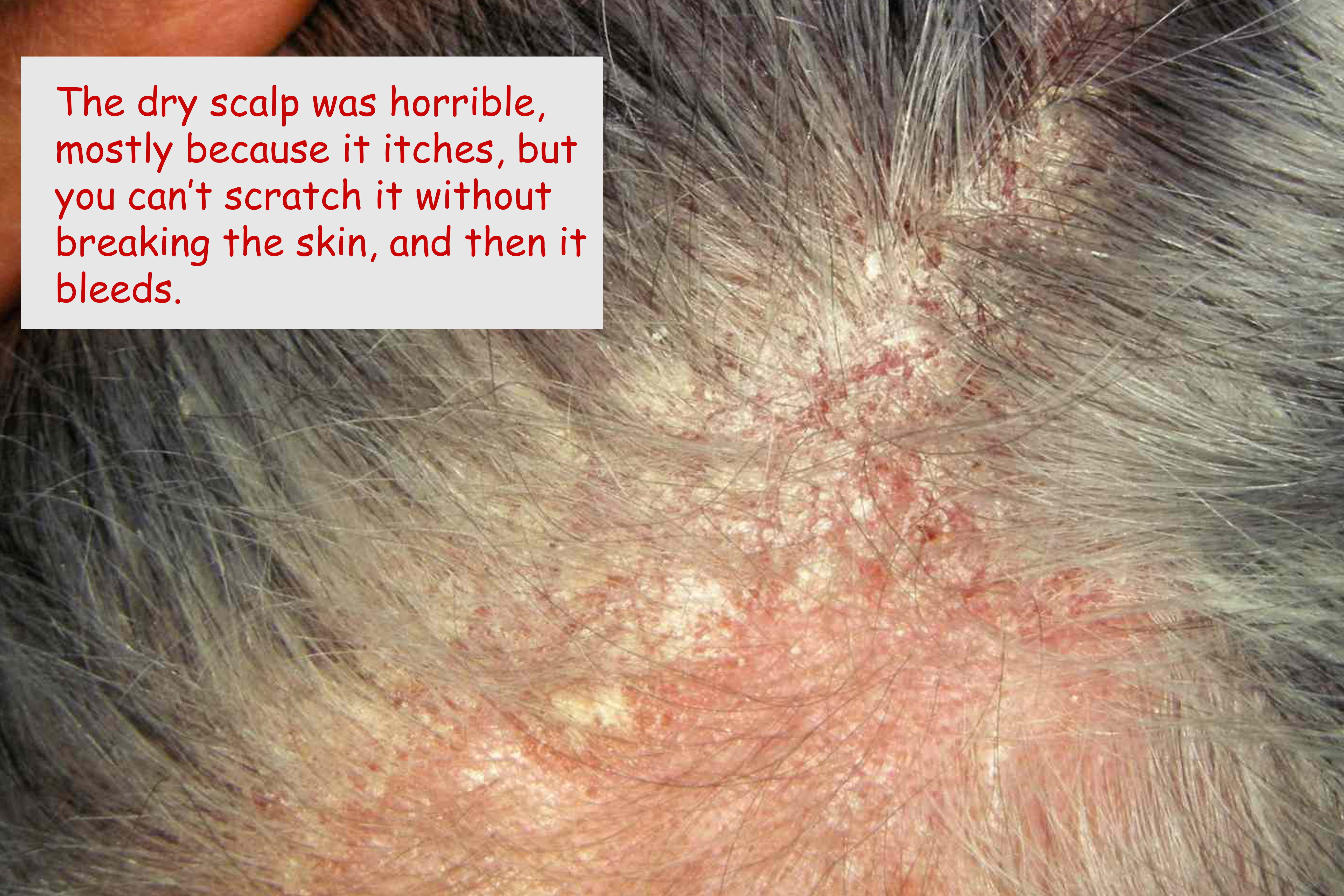
Hormonal shifts left my scalp inflamed, itchy, and unbearably dry. It wasn't just hair I was losing, it was comfort in my own skin.
5. No, Your Follicles Aren’t Dead (Even If It Feels Like It)
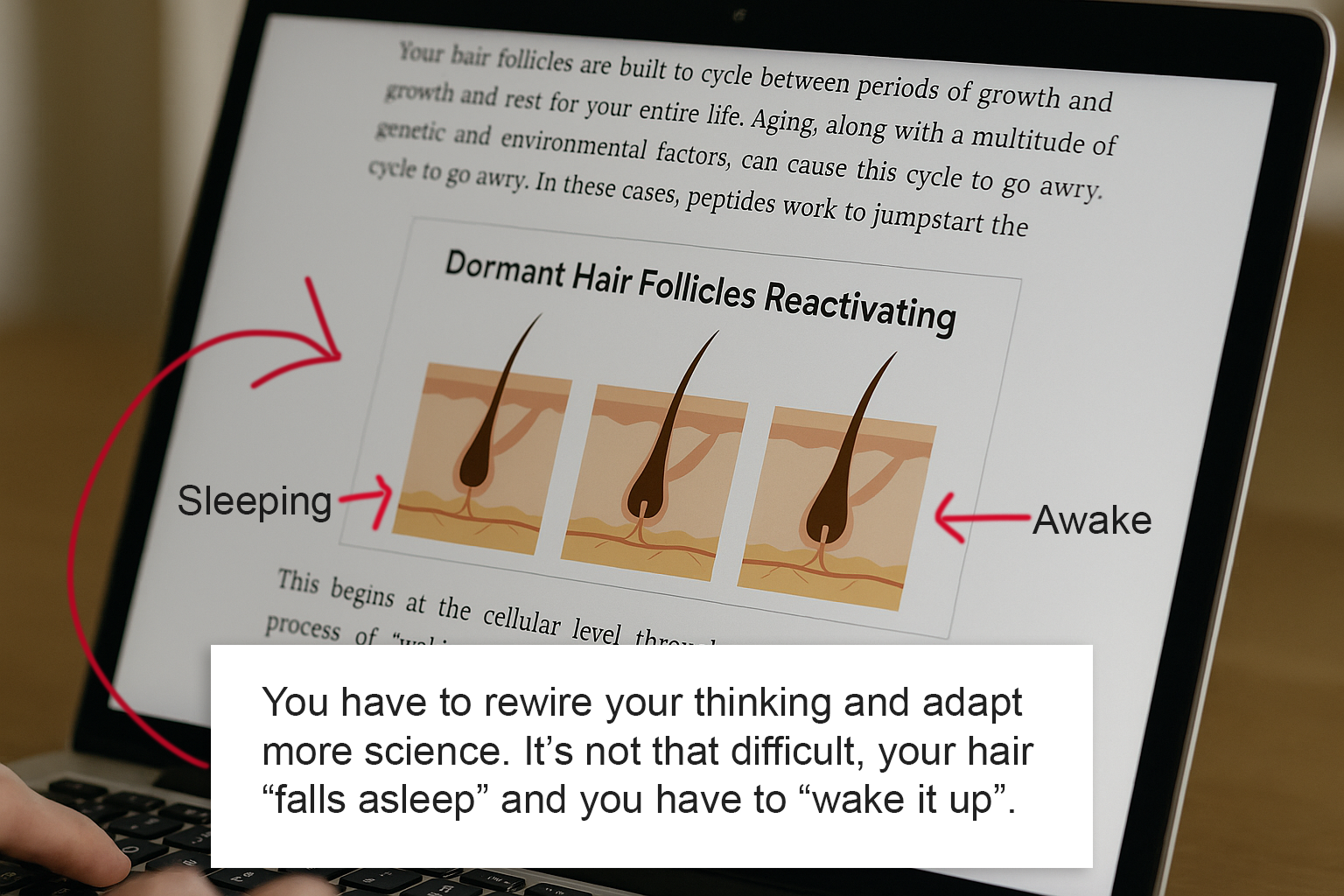
The good news? Hair follicles are surprisingly resilient. In most cases, they don’t die, they go dormant. Like a light on dimmer mode, they need the right signal to turn back on.
In menopause, those signals are harder to send. But not impossible. Once I understood that I could support regrowth through calming inflammation and reactivating follicle signaling (without using synthetic hormones), everything shifted. That’s when I started looking into peptides.
6. How Peptides Changed the Game
90%
of women in Fleur's consumer study reported stronger, thicker
hair after consistent use.
Internal study · results vary
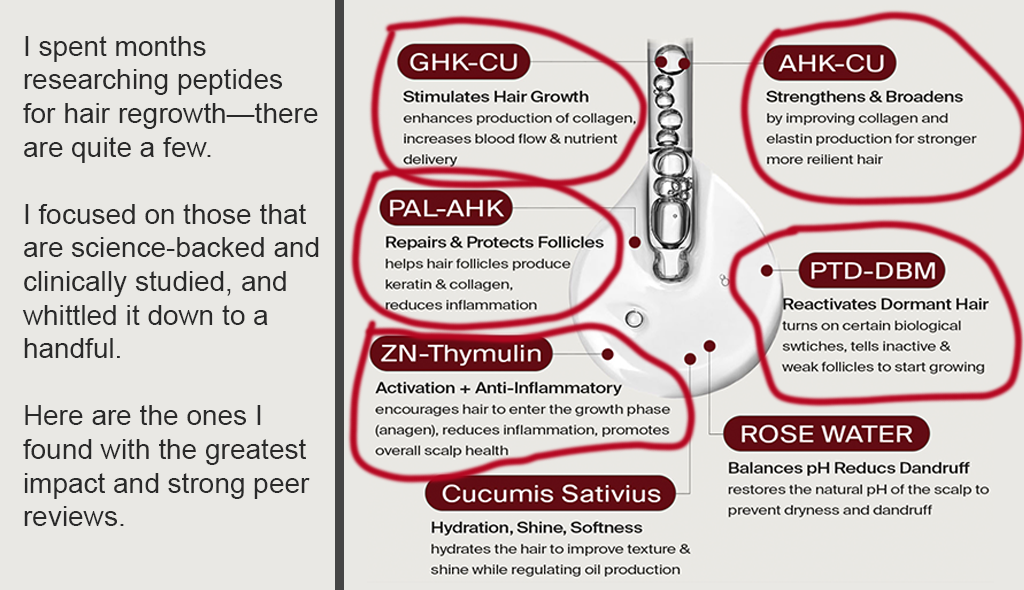
Peptides like GHK-Cu and Zinc Thymulin have been studied in skin regeneration for decades. But only recently have they been formulated into hair products that penetrate deeply and trigger regrowth.
What impressed me most was how they targeted inflammation and reawakened follicles, without messing with my hormones.
The Serum That Helped Me Grow Again
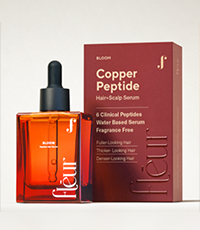
After months of thinning, I found a serum designed specifically for women over 40, with 6 clinical-grade peptides, no hormones, and real results. If you're dealing with progressive thinning, this may be the turning point you've been waiting for.
90% see results
89% new growth
91% less dryness
6x stronger
See What's Inside Bloom →
The Serum That Helped Me Grow Again
After months of thinning, I found a serum with 6 clinical-grade peptides, no hormones, and real results.
90% see results
89% new growth
91% less dryness
6x stronger
7. The Difference Between Gimmicks and Science
There are so many trendy “miracles” out there. Rosemary oil. Scalp massagers. Collagen gummies.
But what made the difference for me was biologically active ingredients. Not surface-level hydration, real follicle signaling.
8. What I Use Now (and Why It’s Working)
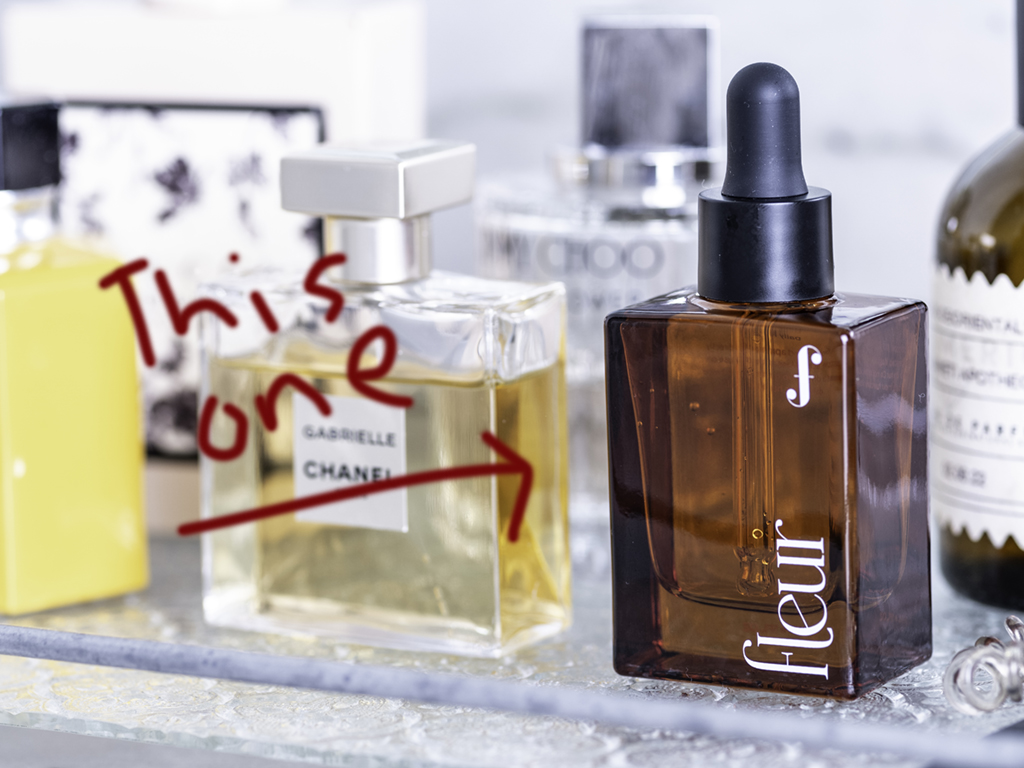
I’ve been using a serum that combines 6 clinical-grade peptides, including copper peptides, GHK Basic, and Zinc Thymulin. It also includes calming botanicals and zero hormones.
It’s designed for women like me, over 40, dealing with progressive thinning, and wanting results without side effects.
My temples have filled in. My part looks tighter. And most of all, I feel in control again.
9. What to Expect: Month by Month
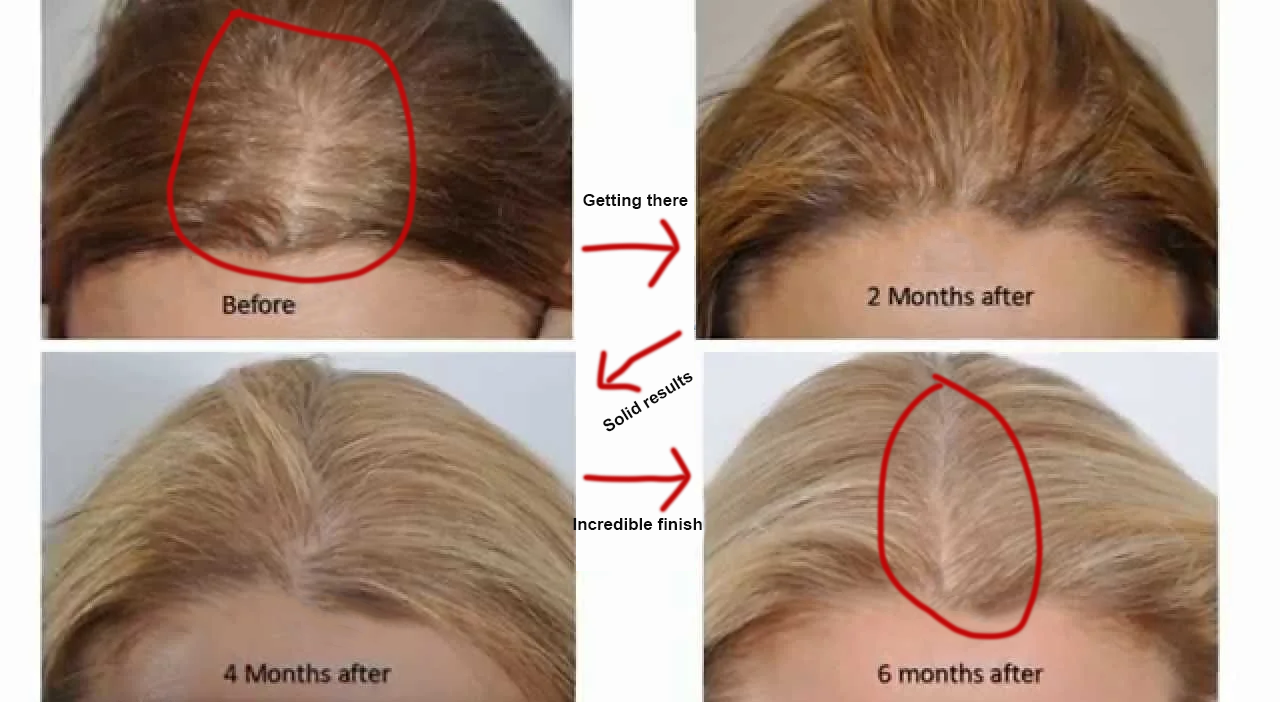
- Month 1–2Scalp feels calmer. Less itchiness and irritation. Slight reduction in shedding.
- Month 3–4First signs of regrowth, tiny new hairs around the hairline. Texture felt stronger.
- Month 5–6Fuller volume at the crown. No more visible scalp. Real confidence boost.
10. Final Words: You’re Not Alone
Hair loss made me feel invisible. Like I was fading.
But what I’ve learned, and what I hope this guide shows, is that you’re not stuck. You’re not broken. And you’re definitely not alone.
There’s real science. There’s hope. And yes, there’s a way forward.
Ready to Try the Serum?
The peptide serum that changed everything for me. After months of thinning, this was the turning point I needed. If you're ready to take control of your hair health, this may be your solution too.
90% see results
89% new growth
91% less dryness
6x stronger
Get the Peptide Serum →
Ready to Try the Serum?
The peptide serum that changed everything for me. After months of thinning, this was the turning point I needed.
90% see results
89% new growth
91% less dryness
6x stronger
Join the Conversation